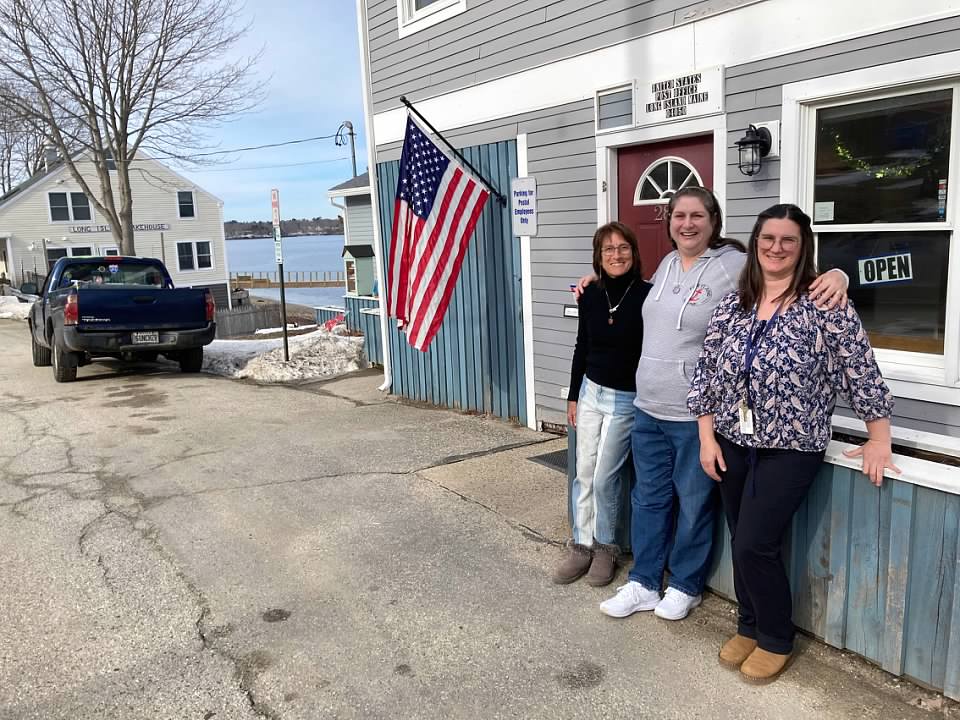
I recently came across this essay I wrote in 2009 – while this isn’t necessarily a literary essay in keeping with my usual goal for this blog post, I thought you would enjoy reading it. (I edited it just a bit)
Thirteen years ago this month we found our island home. After a dozen years of living here, from observation and experience, these seem to be what works when moving to a small town:
-Don’t expect the community to change, according to what your expectations are. It’s great to bring in new ideas, but these folks have been here for generations, and you’re from where? It’s best to plant seeds, and if they grow fine. If not, it wasn’t meant to be. Learn to know when to share your ideas and when to keep your mouth shut.
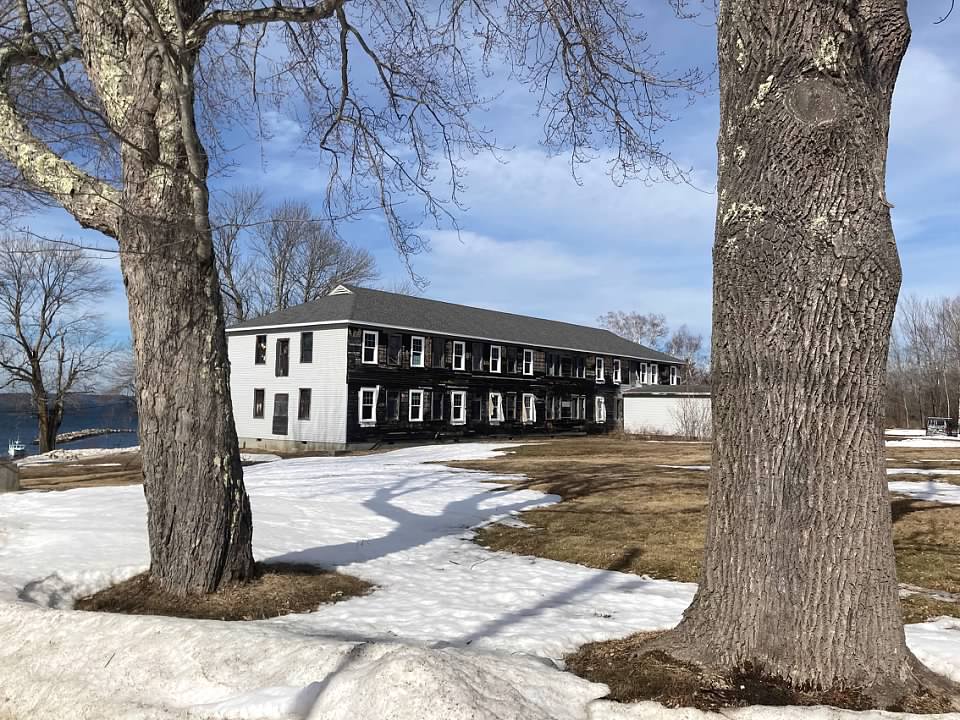
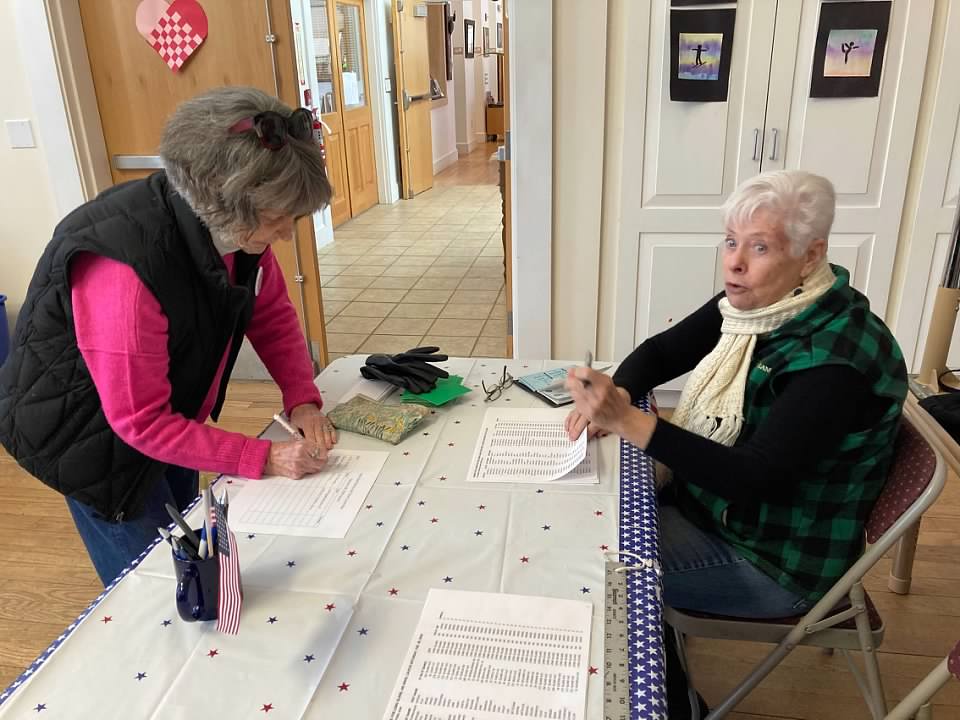
-Volunteer, volunteer, volunteer. Small towns often have very few people doing too much, so they are often eager for fresh blood to join in and give a hand. But in relation to the first suggestion, make sure you offer what is needed, and listen for a while before jumping in and overwhelming everyone with your great ideas. Also, beware of burnout. Often in an effort to help out it’s easy to get sucked into doing too much too soon.
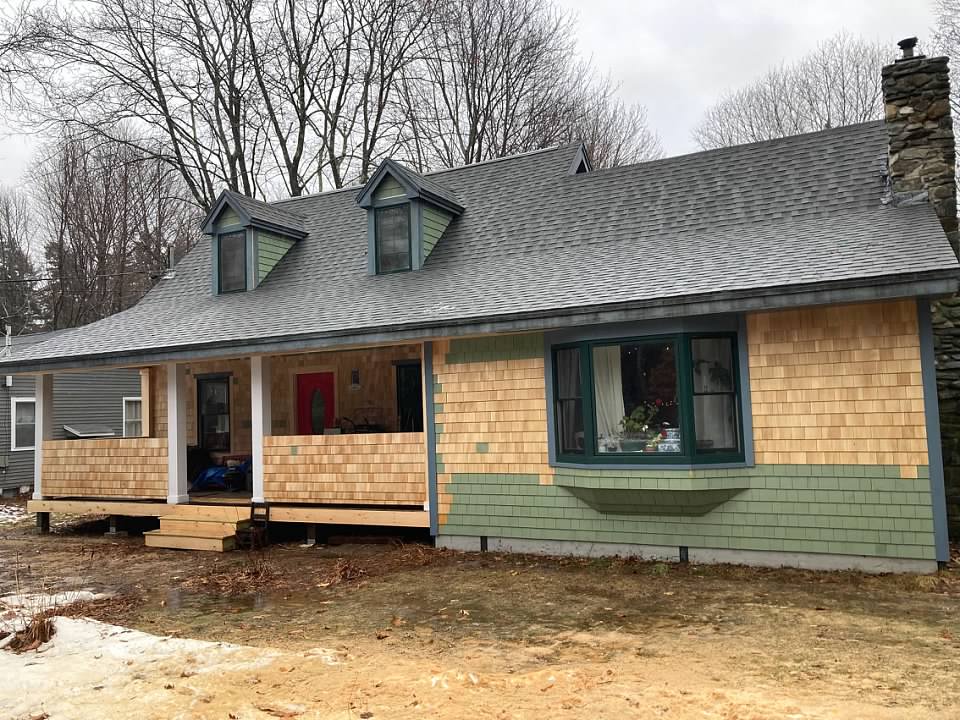
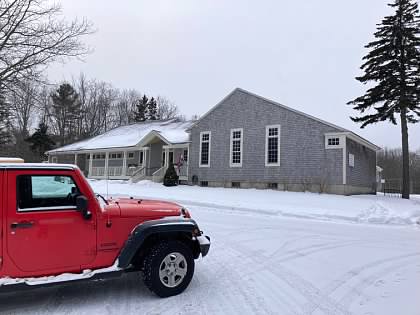
-Rescue an old house. While this isn’t always possible, it helped in our case. Our house had been abandoned, and was in need of lots of TLC. The community was happy to see that someone cared. One of the first things we did was buy a big green wreath with a red bow on it, and hang it in the window. A fellow islander thought it was a sign that “good people” bought the house. Although our house will always be known by the previous owner, who had lived in our house for decades, people appreciate what we’ve done with the house and garden.
-Don’t talk about anyone, as everyone is related. This was a foreign concept to me, as my nearest immediate family member lives in the Midwest, and most of them are on the west coast. While the local people can gossip, it’s not okay for you to. (I know this is generally good advice in life, but especially true in small communities).
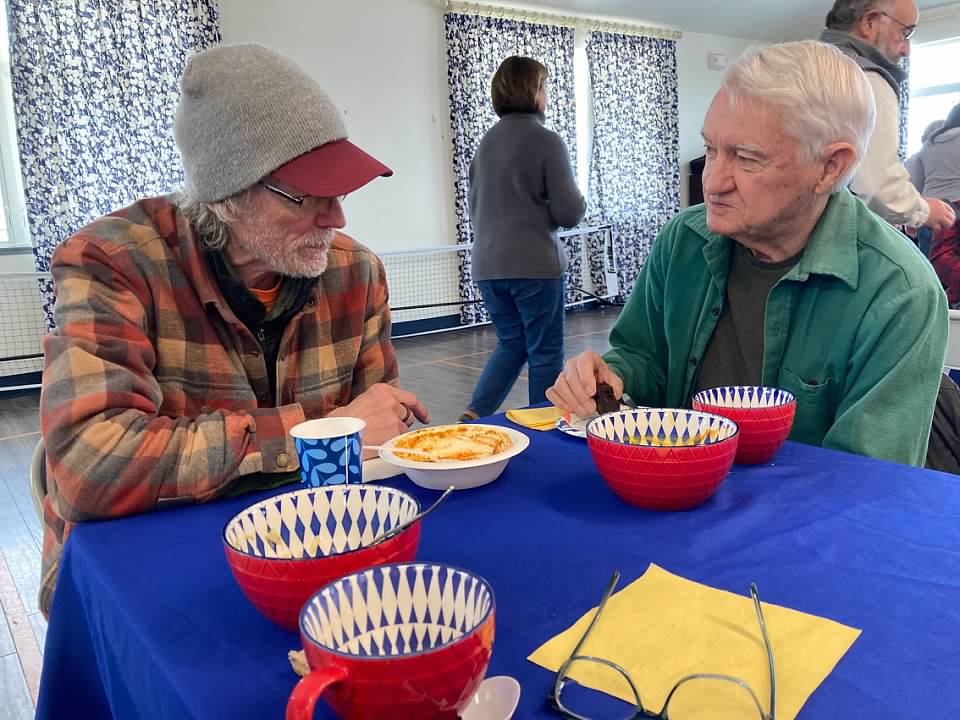
-Be friendly. As my husband says, “A smile and a wave costs nothing.” One of the first things we learned was to wave, wave, wave, even when we didn’t know the person. A friendly “Good morning” is certainly easy enough, and being pleasant is a great way to be accepted.
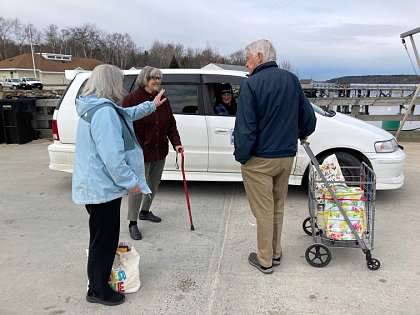
-Add a child to the school population. While we didn’t do this, families are welcomed with open arms when they bring a child onto the island. It’s also a great way to quickly become part of the community, as you have an instant “in.” If you don’t have a child, a pet is also a nice way to gain acceptance. Our island community loves animals, and our Maine coon cat, “Ralph,” was well-known in the neighborhood.
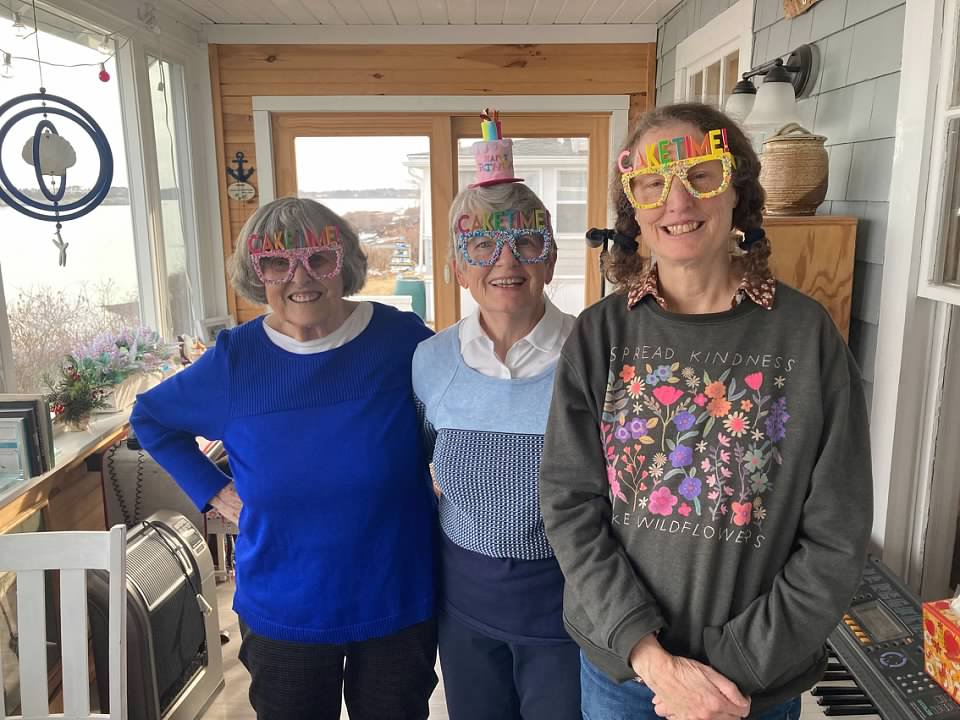
-Laugh, and find humor in people and situations you encounter. We spend a lot of time laughing and not taking things too seriously. Don’t sweat the small stuff, and go with the flow. Forgive and forget. These are all somewhat trite sayings, but really helpful in moving to a small town. The benefits of living with people who grew up together is that you learn to get over grudges and move on.
-Finally, be yourself. People in small towns can spot a phony a mile away. I probably have a reputation for being a bookworm with my nose in a book when I ride the ferry, but everyone seems to be fine with that. Characters in small towns abound, so what’s one more to add to the mix? No one seems to mind our quirks and idiosyncrasies, thankfully.
Island living has been wonderful for us, and I hope we’ve been an asset to the community, too. Every day is an adventure (especially riding the ferry) and a pleasure for the senses, with characters and conversations that enrich our lives and make life more interesting.